Spanish learning for kids works best when children feel curious, confident, and connected to the language in everyday life. If your child sees Spanish as something useful, fun, and part of things they already enjoy, they are more likely to stay motivated.
Parents can help by adding Spanish into favorite activities, explaining why the language matters, practicing through games and music, and choosing engaging classes that give kids real speaking practice.
Learning Spanish can open doors for your child now and in the future. It can help them communicate with more people, understand different cultures, enjoy music and media in a new way, and build confidence as they learn a valuable life skill.
The key is helping your child experience Spanish as something they can actually use, not just another subject to memorize.
Why Kids Need Excitement to Keep Learning Spanish
Children are naturally curious, but they also need a reason to care. When Spanish feels disconnected from their daily lives, it can start to feel like homework. When it connects to their interests, routines, favorite songs, books, games, and people, it becomes much more meaningful.
That does not mean every Spanish activity needs to be a big lesson. In fact, small moments often work better. A Spanish song during breakfast, a few new words during playtime, or a short conversation after class can help your child build comfort with the language over time.
Add Spanish to Activities Your Child Already Loves
One of the easiest ways to make Spanish learning for kids more exciting is to connect it to what they already enjoy. Instead of forcing a formal study session every time, look for simple ways to bring Spanish into their favorite routines.
If your child loves video games, try changing the game language to Spanish. If they love fantasy books, look for beginner-friendly Spanish books in a similar genre. If they love music, find Spanish versions, covers, or lyric videos related to songs they already know.
A few simple ideas include:
- Change a favorite app, game, or device setting to Spanish
- Play Spanish versions of familiar songs
- Read short Spanish books, comics, or stories
- Watch cartoons, movies, or videos in Spanish with subtitles
- Play vocabulary games based on animals, food, colors, or favorite characters
Different activities strengthen different skills. Music can help with listening and pronunciation. Books can support reading and vocabulary. Games can help kids recall words faster. The goal is not perfection. The goal is regular exposure that feels natural.
Explain Why Spanish Matters in a Way Kids Understand
Parents often understand the long-term value of Spanish. Kids may not. They usually need a reason that feels real to them right now.
Telling a child that Spanish may help with future jobs is true, but it may not feel exciting to a 7-year-old. A more motivating explanation might be that Spanish can help them understand a favorite song, talk to more friends, order food while traveling, watch shows in another language, or connect with family and culture.
For example, if your child loves cooking, you can explain that Spanish can help them learn recipes from Spanish-speaking countries. If they love soccer, Spanish can help them understand players, interviews, and fans around the world. If they love cartoons, Spanish can help them watch familiar shows in a new way.
Make Spanish Practice Fun at Home
Spanish practice does not have to feel like sitting at a desk with flashcards. Kids learn well when they are moving, laughing, creating, and interacting. A short, joyful activity can sometimes be more effective than a long lesson that feels boring.
Try adding one Spanish activity to your regular routine a few times a week.
You can:
- Sing a children’s song in Spanish
- Play lotería or Spanish bingo
- Read a short Spanish fairytale
- Label household items in Spanish
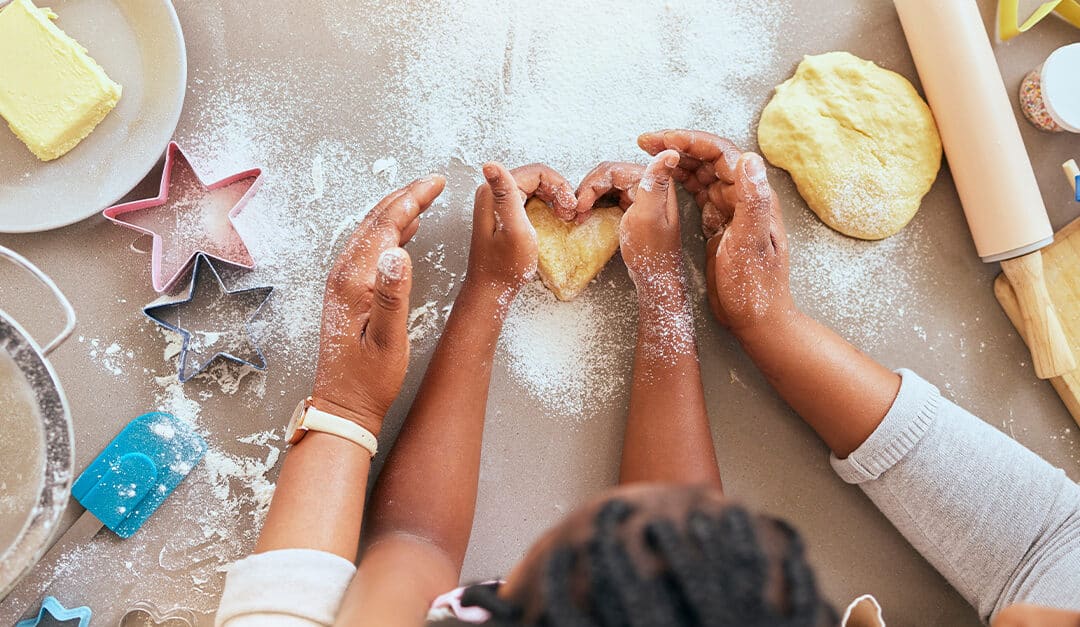
- Cook a simple recipe and name ingredients in Spanish
- Play “I Spy” using Spanish colors or objects
- Practice greetings during breakfast or bedtime
When children realize Spanish can be part of play, they are more likely to look forward to learning it.
Get Involved in Your Child’s Spanish Learning
Your child’s attitude toward Spanish can be influenced by your attitude. If they see you showing interest, trying new words, and celebrating progress, they are more likely to feel encouraged.
You do not need to be fluent. You can learn alongside them, ask them to teach you a word, practice a short phrase together, or watch a Spanish video as a family. Kids often love showing parents what they know.
You can support your child by:
- Asking what they learned after class
- Practicing one phrase together each day
- Letting them “teach” you new vocabulary
- Praising effort, not only correct answers
- Joining them for songs, games, or stories in Spanish
Enthusiasm matters. If Spanish feels like something the whole family values, your child is more likely to take pride in learning it.
Create Real-Life Reasons to Use Spanish
Kids get more excited about Spanish when they see that it exists beyond class. Real-life exposure helps them understand that Spanish is a living language used by people, families, artists, athletes, teachers, and communities around the world.
Look for family-friendly Spanish events, cultural festivals, story times, movies, museum exhibits, or local activities where your child can hear and experience Spanish in a natural setting.
These experiences can help children connect Spanish with:
Your child does not need to understand everything. Even hearing Spanish in real situations helps them become more comfortable with the sounds, rhythm, and purpose of the language.
Consider Spanish-Speaking Childcare or Extra Exposure
If your family works with a nanny, babysitter, tutor, or caregiver, Spanish can become part of your child’s daily life in a very natural way. A Spanish-speaking caregiver can use simple phrases, songs, stories, and routines that help children hear the language outside of class.
This does not replace structured Spanish lessons, but it can add valuable exposure. Children often learn well from people they trust and enjoy spending time with.
Even small moments can help, such as:
- Saying greetings in Spanish
- Naming snacks, toys, or colors
- Singing short songs
- Reading picture books
- Using simple daily phrases
The more positive exposure your child has, the more Spanish begins to feel familiar.
Choose Spanish Classes That Keep Kids Engaged
At-home practice is helpful, but structured Spanish classes give kids the guidance, consistency, and speaking practice they need to make real progress. The best Spanish classes for kids should be age-appropriate, interactive, and designed around how children actually learn.
Before choosing a program, ask questions about the teaching style and class experience.
Good questions include:
- Do kids speak Spanish in every class?
- Are lessons interactive or mostly worksheet-based?
- Are the teachers experienced with children?
- Are classes grouped by age or level?
- Are games, songs, stories, or creative activities included?
- Is the class designed to build real communication skills?
Children need more than vocabulary lists. They need chances to hear Spanish, respond in Spanish, make mistakes safely, and use the language in ways that feel natural.
Why Spanish Immersion Helps Kids Build Confidence
Spanish immersion gives children more opportunities to hear and use the language during class. Instead of switching back and forth constantly, kids spend more time surrounded by Spanish in a supportive environment.
This can help children build listening skills, pronunciation, vocabulary, and confidence. It also helps them get used to understanding meaning through context, gestures, repetition, visuals, and real conversation.
For many kids, immersion feels more active and engaging because they are not just learning about Spanish. They are using it.
Try TruFluency Kids Group or Private Spanish Classes
TruFluency Kids offers online Spanish classes for children through group and private class options. Our classes are designed to help kids enjoy Spanish, practice speaking, and build confidence with experienced teachers.
Our approach gives kids regular opportunities to use Spanish in class through conversation, games, stories, songs, movement, and creative activities. We want children to feel supported, challenged, and excited to keep learning.
Families can choose the option that fits their child best.
Group Spanish Classes for Kids
Group classes are a great choice for children who enjoy learning with other kids. They provide social interaction, structured lessons, and a fun class environment where students can practice Spanish together.
Book a group class to try it out and see how your child responds to live, interactive Spanish learning.
Private Spanish Classes for Kids
Private classes are a strong option for children who need more personal attention, have specific goals, or learn better one-on-one. Private packages can be customized to your child’s level, pace, and learning needs.
Explore TruFluency Kids private packages if your child would benefit from a more personalized Spanish learning experience.
Help Your Child Start Enjoying Spanish
Getting your child excited about Spanish does not happen all at once. It happens through small, positive experiences that build curiosity and confidence over time.
Start with what your child already loves. Add Spanish into daily routines. Celebrate progress. Make practice playful. Then choose classes that give your child a consistent place to learn, speak, and grow.
Ready to help your child start learning Spanish in a fun and supportive way? Book a TruFluency Kids group class to try it out, explore our private Spanish packages, or start learning with the class option that fits your child best.