Learning the names of common places in Spanish gives kids vocabulary they can start using right away. Words like escuela (school), parque (park), biblioteca (library), and playa (beach) help children talk about where they go, where they live, and the places they enjoy...
The most important Day of the Dead Spanish vocabulary for kids includes “Día de Muertos” (Day of the Dead), “ofrenda” (altar), “flores de cempasúchil” (marigolds), “pan de muerto” (bread of the dead), “calaverita...
Knowing how to ask for help in Spanish is an important skill for young language learners. Kids may need help with homework, want someone to reach something, ask a teacher a question, or need assistance in an emergency. Spanish has several ways to ask for help, and the...
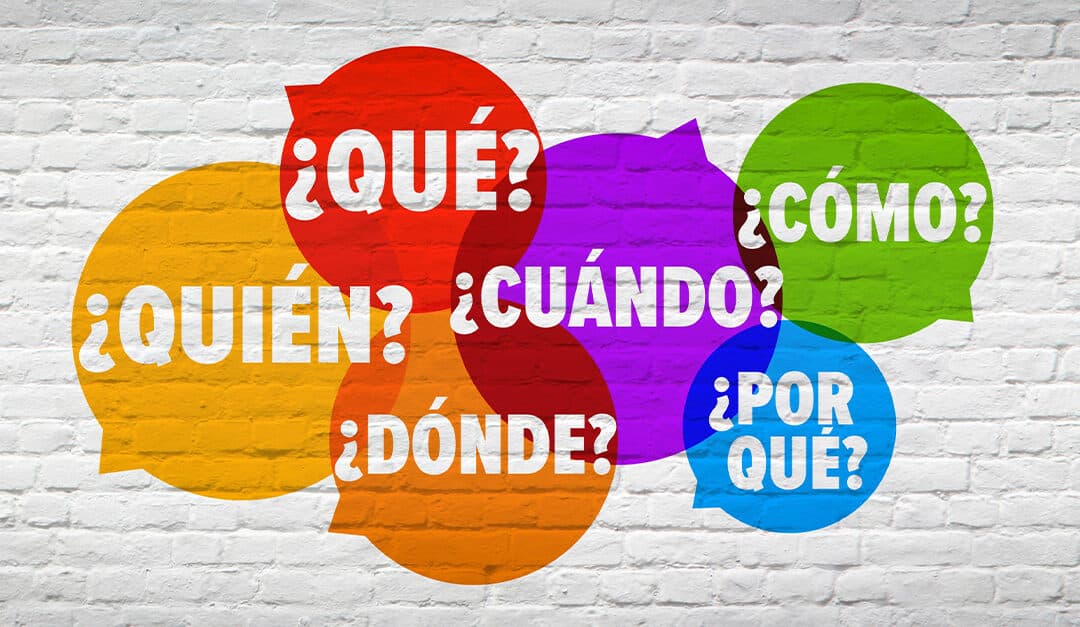
If your child is learning Spanish, one small word can cause a lot of confusion: como. Sometimes it means “how.” Sometimes it means “like” or “as.” Sometimes it means “I eat.” The difference often comes down to the accent mark, punctuation, and context. The good news...
Spanish idioms for kids are common phrases that do not always translate word for word, but native Spanish speakers use them all the time. Learning these expressions helps children understand real conversations, classroom jokes, school situations, and everyday Spanish...
Learning Spanish school phrases helps kids feel more confident, respectful, and prepared in the classroom. Whether your child is attending a Spanish-speaking school, learning Spanish at home, or taking Spanish classes online, polite phrases like por favor, gracias,...