Animals are one of the easiest and most fun ways for kids to learn Spanish. Children already love animals, they see them everywhere, and animal vocabulary is one of the first topics taught in any language.
That makes animals the perfect bridge into something even more exciting: idioms.
Idioms are expressions native speakers use every day. They help kids sound more natural, understand conversations better, and build real-world Spanish skills. Teaching animal idioms early gives children a playful way to learn slang and common phrases they will hear again and again.
Here are 10 animal idioms in Spanish your kids are very likely to hear and eventually use themselves.
1. Eres un/una gallina
Literal meaning: You are a hen
What it really means: You are scared or acting like a coward
This idiom works just like saying “you’re a chicken” in English. Kids often use it when teasing each other, so it is helpful to explain that it is not the nicest thing to say.
Example:
¿Qué pasa, tienes miedo? ¡Eres una gallina!
What’s going on, are you scared? You’re a chicken!
2. Hay gato encerrado
Literal meaning: There is a cat locked up
What it really means: Something suspicious is going on
You may not know exactly what’s being hidden from you, but you know there’s something else going on. This phrase is used when something feels off, even if you do not know exactly why. It is similar to saying “something fishy is going on.”
Example:
Los niños han estado muy callados hoy, aquí hay gato encerrado.
The kids have been very quiet today, something suspicious is going on.
3. Tener memoria de pez
Literal meaning: To have the memory of a fish
What it really means: To have a bad memory
This idiom is often easy for kids to remember because of forgetful fish characters in movies. It is used playfully to describe someone who forgets things often.
Example:
Mi mamá dice que tengo memoria de pez porque siempre olvido la tarea.
My mom says I have a bad memory because I always forget my homework.
4. Tener memoria de elefante
Literal meaning: To have the memory of an elephant
What it really means: To have an excellent memory
This is the opposite of “memoria de pez.” Elephants are believed to remember everything, so this phrase is a compliment.
Example:
Tengo memoria de elefante porque siempre saco buenas notas en español.
I have a great memory because I always get good grades in Spanish.
5. Dormir como un lirón
Literal meaning: To sleep like a dormouse
What it really means: To sleep very deeply and for a long time
Dormice are known for sleeping a lot, even hibernating. This idiom is perfect for kids who love to sleep in.
Example:
Después del entrenamiento voy a dormir como un lirón.
After practice, I am going to sleep really deeply.
6. Estar como una cabra
Literal meaning: To be like a goat
What it really means: To act crazy or very strange
This idiom is often used in a joking way when someone is being loud, silly, or unpredictable.
Example:
Está como una cabra, no para de cantar en clase.
He is acting crazy, he will not stop singing in class.
7. Un pez fuera del agua
Literal meaning: A fish out of water
What it really means: To feel uncomfortable or out of place
This idiom is almost identical to the English version and is easy for kids to understand.
Example:
Me siento como pez fuera del agua en mi nueva escuela.
I feel out of place at my new school.
8. Ser un ratón de biblioteca
Literal meaning: To be a library mouse
What it really means: To be a bookworm
This expression describes someone who loves reading and spends a lot of time with books.
Example:
Soy un ratón de biblioteca, me encanta leer.
I am a bookworm, I love reading.
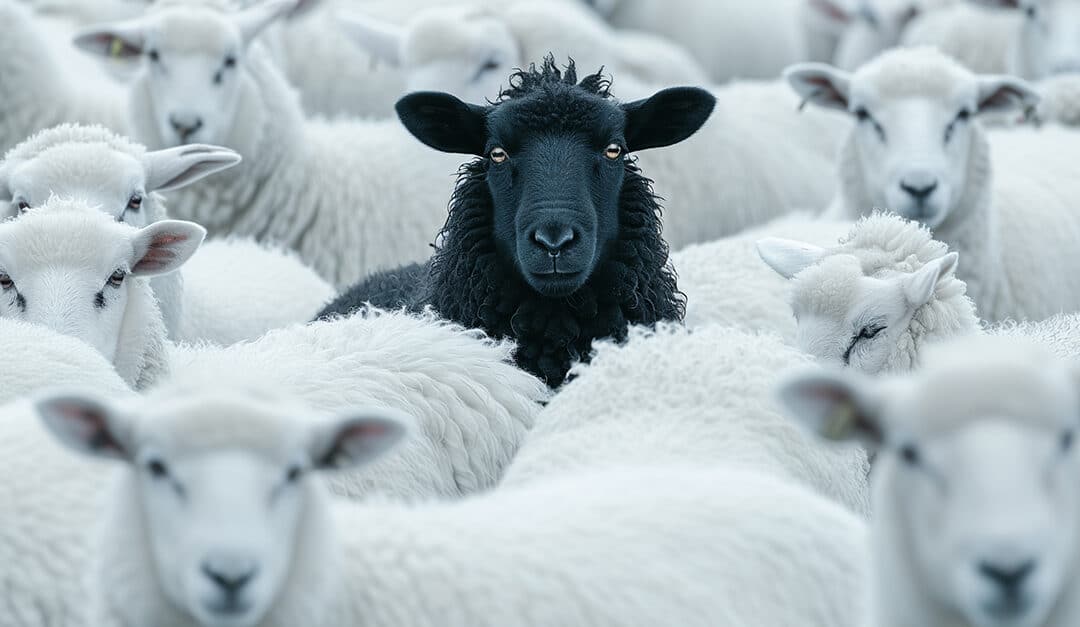
9. Ser la oveja negra de la familia
Literal meaning: To be the black sheep of the family
What it really means: To be the family member who does not fit in
This idiom has the same meaning as in English and is often used to describe someone who is different from the rest of the family.
Example:
Mi tío es la oveja negra de la familia.
My uncle is the black sheep of the family.
10. Llevarse como perros y gatos
Literal meaning: To get along like dogs and cats
What it really means: To constantly fight or not get along
This idiom describes people who argue all the time and have trouble being peaceful together.
Example:
Los hermanos se llevan como perros y gatos.
The siblings fight like cats and dogs.
More Fun Ways for Kids to Learn Spanish with Animals
Animal idioms are just one fun way to bring Spanish to life. You can also help your child learn by:
- Writing short stories in Spanish about animals
- Reading animal-themed books in Spanish
- Watching movies about animals in Spanish
- Acting out animal expressions during playtime
The key is to keep learning playful and connected to real life.
At TruFluency Kids, we do exactly that. Our online Spanish classes for children are built around fun, interactive activities like singing, dancing, storytelling, games, reading, and even cooking. Every class is taught by native Spanish teachers and follows the Bellieu Method, which focuses on speaking Spanish from day one so kids build confidence and fluency naturally.
If you want your child to enjoy learning Spanish and actually use it in real life, we would love to help. Drop in to a Spanish class today and see how fun language learning can be!