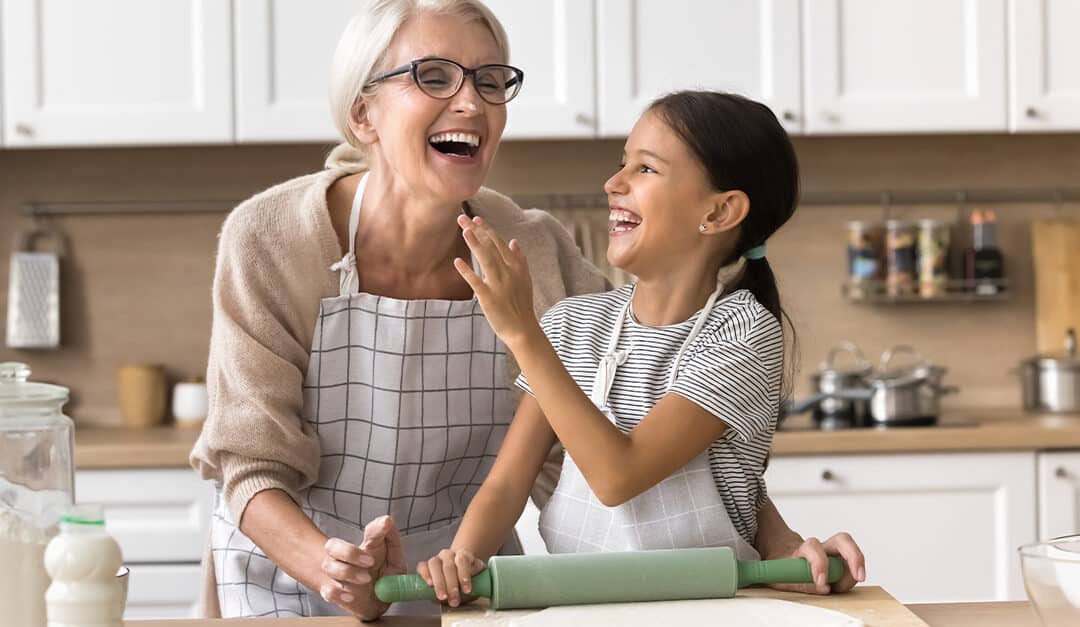
You do not need to speak Spanish fluently to create Spanish immersion at home for your child. What children need is consistent exposure to the language through conversations, classes, music, stories, play, and relationships. Parents can create that environment by...
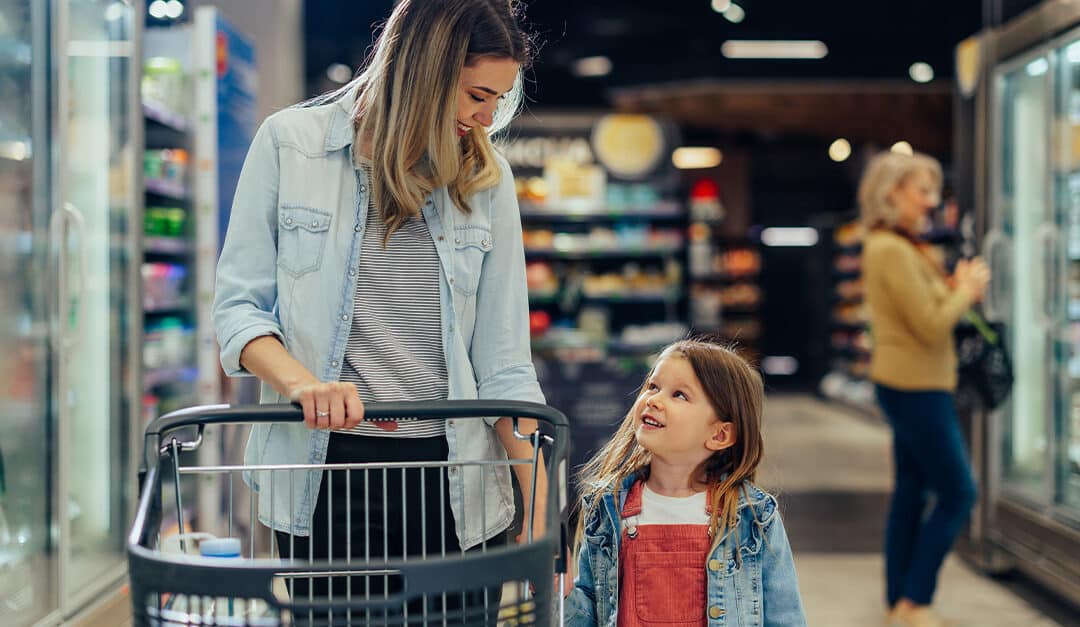
Learning the names of common places in Spanish gives kids vocabulary they can start using right away. Words like escuela (school), parque (park), biblioteca (library), and playa (beach) help children talk about where they go, where they live, and the places they enjoy...
The most important Day of the Dead Spanish vocabulary for kids includes “Día de Muertos” (Day of the Dead), “ofrenda” (altar), “flores de cempasúchil” (marigolds), “pan de muerto” (bread of the dead), “calaverita...
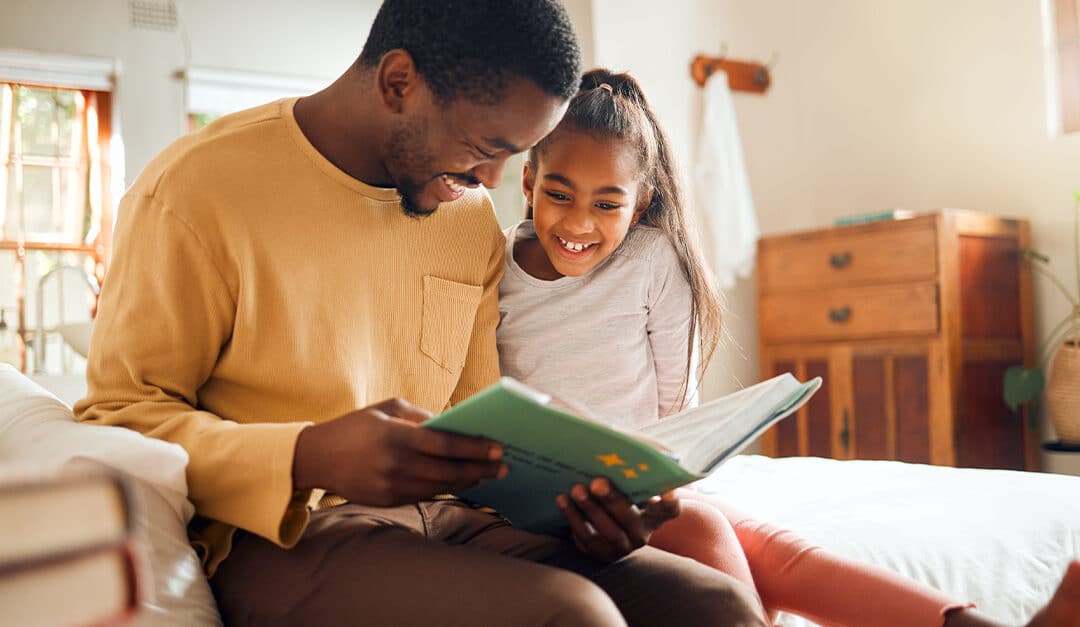
Helping your child learn Spanish does not require hours of studying every day. In fact, short, consistent practice can be one of the best ways to help children build vocabulary, improve comprehension, and become more comfortable speaking Spanish. The key is making...
Knowing how to ask for help in Spanish is an important skill for young language learners. Kids may need help with homework, want someone to reach something, ask a teacher a question, or need assistance in an emergency. Spanish has several ways to ask for help, and the...
Here’s a question I get a lot: “What should I be doing at home to help my kid’s Spanish along?” The honest answer, more often than not, is: less than you think. If your child’s Spanish classes are actually working the way they’re...